
Sometimes things you think are unlucky can be your miracle.
I've been researching the mythology, history, and biological and physical characteristics of owls for a while now. The first question that popped into my mind was: In which country and what event first revealed owls to be considered unlucky? Finding the answer wasn't difficult at all. China was the first place to label owls as unlucky, and I immediately investigated the reason.
In Chinese folklore, young owls are said to only flee the nest after pecking out their mother’s eyes. Because they killed their mothers, owls represented darkness and evil. People thought its big, staring eyes were demonic, and its scary call sounds like the word for “digging a grave” in some dialects. This can be interpreted as a link between death and owls. When an owl hoots, it is thought that disease or death will occur in that home.
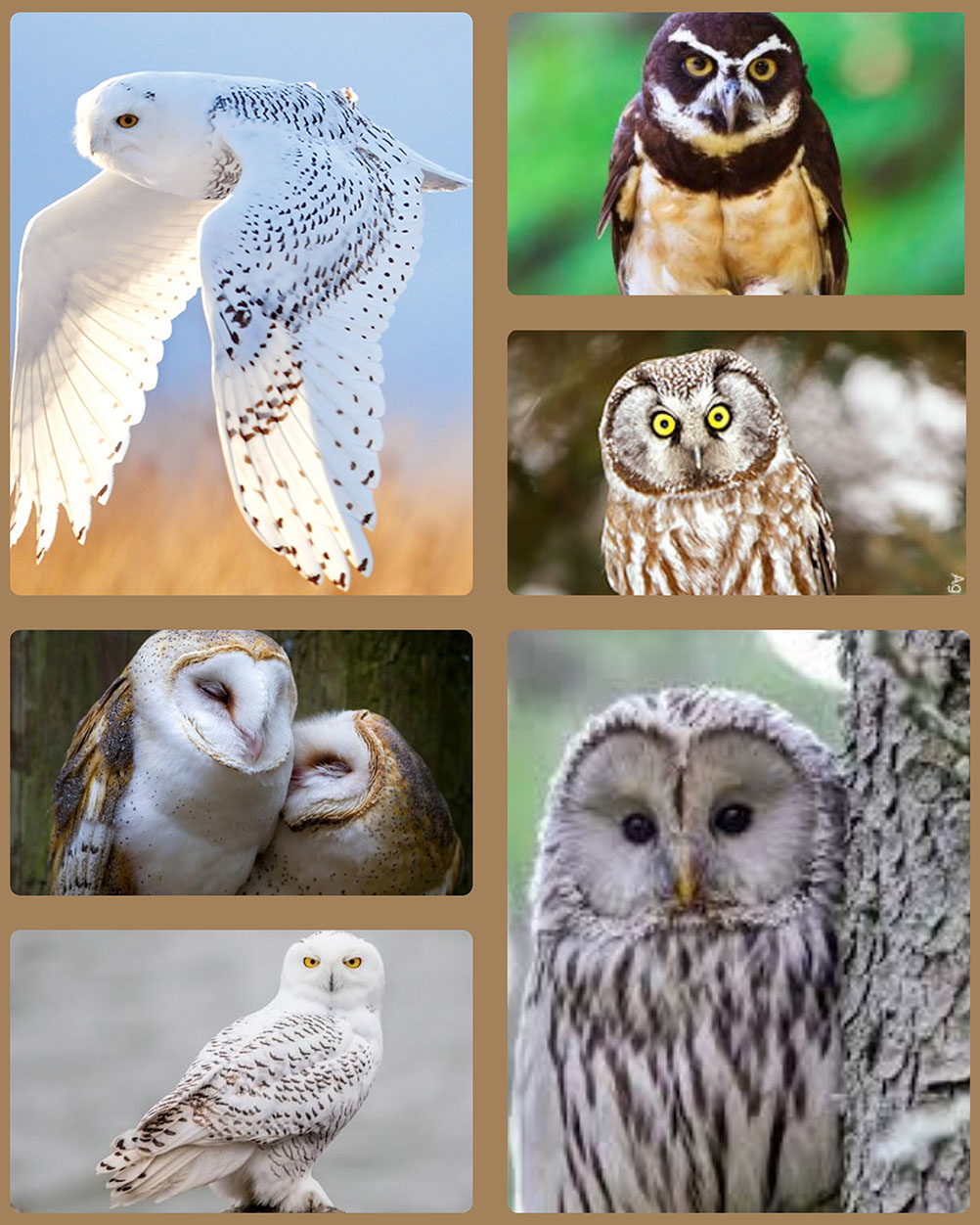
This has always upset me; throughout history, many injustices have been committed against nature and living creatures due to human ignorance. If you ask me, this is one of them. The owl neither brings bad luck nor is it a healer. The owl is a magnificent, fantastic creature that, in its own right, also benefits the ecosystem. I don't think it has any negative aspects. On the contrary, it offers immense benefits to humanity. Yes, its eyes and gaze may be a bit unusual, and it may even be able to rotate its head 270 degrees. What's the big deal? Why do we always interpret things that seem different negatively? Why do we discount their beauty?
One of these ignorances is that there's a superstition that if you have a dream about an owl while you're traveling, it means you could be robbed or possibly shipwrecked, which would definitely be bad luck for a traveller. And another one, in Ireland, it was once believed that if an owl ever entered your house, you should kill it immediately. If you don't, it will take all of the luck in your house with it when it flies away.
Romans believed that the hooting of an owl predicted death, even really famous deaths, such as Julius Caesar's. This association depends on the location of the owl in some superstitions. For example, some superstitions have it that a hooting owl near your house could mean a newborn baby was going to die. Some South African tribes put spikes on their roofs to keep owls away because of this very superstition.
The idea that owls are bad luck or are associated with evil or death goes back to the most ancient folkloric traditions. But the truth is that owls are simply living creatures that help keep rodent and reptile populations under control. If one has roosted near your home, consider yourself lucky!